

I’ll be honest the first time I came across the word “sodiceram,” I assumed it was some obscure chemistry lab term. It sounded like something you’d find scrawled on a whiteboard in a materials science department, not something relevant to flooring, aerospace, or your kitchen tiles. But after digging into it for a project involving sustainable construction materials, I got genuinely fascinated. Sodiceram is one of those quietly significant innovations that’s been reshaping whole industries without making a lot of noise about it.
So let’s break it down properly what it actually is, why it matters, where it’s used, and whether it’s worth the hype.
What Exactly Is Sodiceram?
At its core, sodiceram is an advanced engineered ceramic that incorporates sodium-based compounds such as sodium oxide or sodium silicates into its composition. This unique formulation enhances the material’s properties, making it more durable, thermally stable, and resistant to chemical reactions compared to traditional ceramics.
Think of it this way: ordinary ceramics are like a loaf of bread baked at standard temperature solid, reliable, but limited. Sodiceram is what happens when you tweak the recipe, change the oven settings, and add a smarter binding agent. The result is something structurally superior.
In simple terms, sodiceram uses sodium (Na) as a fluxing agent a substance that helps lower the melting point of materials. That might sound like a minor technical detail, but the downstream effects are massive: lower kiln temperatures, less energy consumption, fewer carbon emissions, and a denser final product.
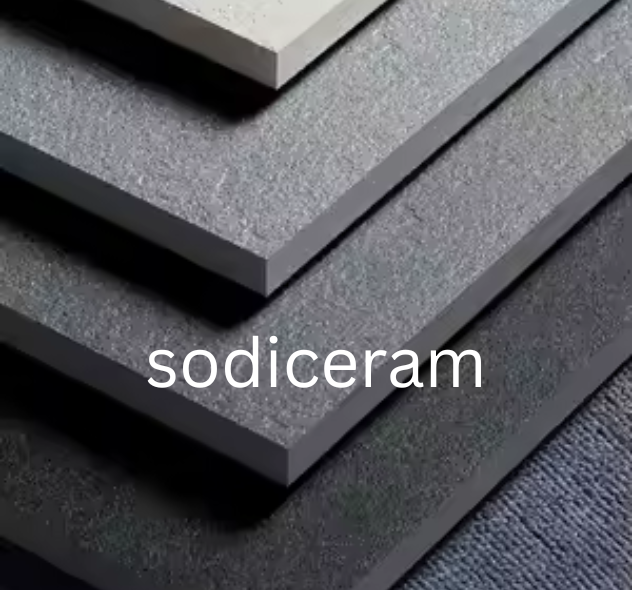
Today, sodiceram is no longer just a laboratory idea. It has moved into homes, offices, hospitals, airports, and industrial plants. Contractors use sodiceram tiles for heavy-traffic floors. Designers choose sodiceram ceramic tiles when they want surfaces that look refined but last for decades.
How Sodiceram Is Made: The Process Behind the Material
Understanding the production process helps explain why sodiceram performs differently from conventional ceramics. It’s not just about adding sodium and calling it a day the manufacturing is actually pretty precise.
After mixing, the material is formed using high-pressure pressing, extrusion, or casting depending on the product shape. The green bodies are dried slowly to remove moisture without causing internal stress. They then enter kilns where firing temperatures usually range between 800°C and 1250°C, noticeably lower than the 1200–1400°C required for many conventional ceramics. This reduced heat demand cuts energy use and emissions while still achieving strong vitrification.
After firing, the surface possibilities open up considerably. Surfaces may be glazed, textured, or digitally printed to create finishes that resemble marble, wood, or concrete, giving sodiceram tiles a broad design palette.
The controlled sintering process where ceramic particles bond at lower temperatures is largely what makes sodiceram a sustainability story as much as a performance story.
Key Properties That Make Sodiceram Stand Out
Mechanical Strength and Durability
One of the most notable features of sodiceram is its exceptional strength. It is designed to resist wear and tear, making it suitable for heavy-duty use. Floors in airports, hospital corridors, and factory floors all demand materials that won’t degrade under constant stress. Standard tiles crack. Sodiceram distributes force more evenly through its denser microstructure.
Thermal Resistance and Shock Tolerance
Temperature changes can be surprisingly destructive to ceramic products. Rapid heating or cooling causes expansion and contraction that leads to cracks a problem known as thermal shock. Sodiceram addresses this issue with a controlled coefficient of thermal expansion and improved structural cohesion, allowing it to withstand shocks of around 200 degrees Celsius without damage.
That matters enormously in kitchens, outdoor patios, and industrial settings where surfaces shift between hot and cold regularly.
Chemical Resistance
Because sodiceram has such low porosity, chemical agents struggle to penetrate the surface. Stains are easier to remove and the body remains stable even when exposed to mild acids or alkalis. This resilience makes the material a strong candidate for hospitals, food processing areas, and workshops where cleanliness and durability matter equally.
Lightweight Nature
Despite its strength, sodiceram is surprisingly lightweight. This characteristic simplifies transportation, handling, and installation, reducing labor costs and installation time. Architects and engineers prefer sodiceram for projects where reducing structural load is a priority.
Where Sodiceram Is Actually Used
This is where things get interesting, because the applications are broader than most people expect.
Construction and Architecture Tiles, wall claddings, facade panels, flooring for commercial spaces this is sodiceram’s most visible home. Sodiceram ceramics are stain-resistant and easy to clean, making them practical for daily use. With proper installation, they can last decades without losing beauty or quality. You’ll find them in living rooms, kitchens, bathrooms, offices, restaurants, and retail environments.
Electronics and Semiconductors Here’s a use case that surprises most people. Sodiceram plays a key role in semiconductors, circuit boards, and electrical insulators. Its heat resistance ensures that devices function safely without overheating. Without such materials, modern electronic gadgets would struggle to maintain their reliability.
Industrial and Aerospace Applications Industrially, sodiceram is used in manufacturing machinery, chemical processing, and even aerospace engineering. It provides the high-performance strength and stability needed in parts exposed to friction, heat, and pressure.
Medical and Bioceramics Medicine is another field benefiting from sodiceram. Bioceramics are used in implants, dental work, and bone replacements. Their biocompatibility ensures that they integrate well with the human body, reducing risks of rejection.
Sodiceram and Sustainability: A Real Environmental Story
One of the most compelling arguments for sodiceram isn’t about aesthetics or strength it’s about what it doesn’t produce.
In traditional ceramics, high kiln temperatures are a major source of carbon emissions. Sodiceram’s reduced firing requirements can cut energy consumption by up to 50%, significantly lowering the environmental impact of ceramic production.
Sodiceram requires less water, fewer additives, and generates up to 40% less production waste, thanks to better formability and fewer rejections. For an industry that has historically been energy-intensive, these numbers represent a genuine shift.
It’s also recyclable. Sodiceram’s capacity to be recycled contributes to the material’s sustainability, supporting a circular production model rather than the traditional take-make-dispose approach.
Pros and Cons of Sodiceram
No material is perfect. Here’s an honest look at both sides:
The Case For It:
- Significantly lower energy consumption during production
- Superior mechanical strength compared to standard ceramics
- Excellent resistance to heat, chemicals, and physical stress
- Versatile applications across construction, electronics, medicine, and industry
- Recyclable and aligned with eco-friendly manufacturing goals
- Lower porosity means easier cleaning and better hygiene
The Honest Challenges:
- Manufacturing complexity: adding sodium to the ceramic matrix may require certain tools and knowledge, which could raise production costs.
- Producing sodiceram-inspired materials at large volumes while maintaining quality requires significant investment and expertise.
- In some regions, access to high-quality sodium compounds or standardized sodiceram formulations may be limited, affecting scalability.
- Retrofitting traditional ceramic kilns and processes can be costly for older manufacturers.
Practical Tips for Choosing and Using Sodiceram
If you’re considering sodiceram for a home renovation, commercial project, or sourcing it for industrial use, here are some things worth knowing before you commit:
For Residential Use:
- Match the finish to the space. Matte finishes work better in high-moisture areas; polished surfaces suit formal spaces but show footprints more.
- Use non-abrasive cleaners to maintain its smooth surface. Harsh chemicals can dull glazed finishes over time.
- Avoid extreme thermal shocks don’t pour boiling water directly onto cold sodiceram surfaces repeatedly.
- Inspect periodically for micro-cracks, especially in outdoor installations where freeze-thaw cycles apply.
For Commercial and Industrial Projects:
- Determine whether the installation is residential, commercial, or industrial, as different formulations of sodiceram are optimized for specific applications.
- Work with experienced installers who understand the specific bonding requirements of sodiceram products.
- Factor in long-term maintenance savings when comparing upfront costs against cheaper alternatives sodiceram typically wins on total cost of ownership.
For Procurement:
- Source from manufacturers who provide certification of sodium compound quality and firing process controls. Consistency across batches matters significantly in large installations.
- Check regional availability manufacturing and R&D are expanding in Europe, South America, and Asia, particularly in regions with sodium-rich natural resources.
The Future of Sodiceram
Advanced research is exploring sodiceram in electronics, aerospace components, and smart surfaces due to its insulating and shock-resistant properties. The next decade likely brings integration with sensor technology, self-cleaning coatings, and ultra-thin lightweight panels for facade engineering.
Collaboration between academic institutions and industry players accelerates innovation, helping translate theoretical advances into practical applications. As net-zero manufacturing targets tighten across global industries, materials like sodiceram aren’t just nice-to-have they become strategically important.
Frequently Asked Questions About Sodiceram
What makes sodiceram different from regular ceramic tiles? Sodiceram incorporates sodium compounds during production, which lowers firing temperatures, creates a denser microstructure, and improves resistance to heat, chemicals, and physical stress. Regular ceramics don’t have this sodium-enhanced processing.
Is sodiceram environmentally friendly? Yes, meaningfully so. It cuts kiln energy use substantially, generates less production waste, and is recyclable making it one of the more sustainable options in modern ceramics.
Can sodiceram be used outdoors? Absolutely. Weather-resistant sodiceram formulations are available for outdoor applications, though you should ensure you’re selecting a product rated for outdoor use, especially in freeze-thaw climates.
Is sodiceram expensive compared to conventional tiles? The upfront cost can be slightly higher due to more precise manufacturing. However, the longevity, lower maintenance, and energy efficiency of sodiceram generally make it more cost-effective over the product’s lifetime.
Where can I buy sodiceram products? Many sodiceram products are available through authorized distributors, specialist tile retailers, and increasingly through online construction material platforms. Some collections offer customization in size, color, and finish.
Final Thoughts
Sodiceram sits at an interesting intersection it’s simultaneously a traditional material (ceramics go back thousands of years) and a genuinely modern innovation. The sodium-enhanced processing approach doesn’t sound revolutionary on paper, but the real-world results across construction, electronics, medicine, and industrial manufacturing tell a different story.
What impresses me most isn’t any single property it’s the combination. A material that’s stronger, lighter, more heat-resistant, easier to clean, and produced with less energy than its predecessors is genuinely rare. Most innovations trade one quality for another. Sodiceram, at least in its current form, seems to give you more on multiple dimensions at once.
Whether you’re an architect considering sustainable surface materials, an engineer sourcing industrial ceramics, or just someone renovating a kitchen and curious about what’s actually in those high-end tiles sodiceram is worth understanding. The conversation around advanced ceramics is only going to grow louder as sustainability pressures mount, and sodiceram is already part of that conversation in a serious way.
