

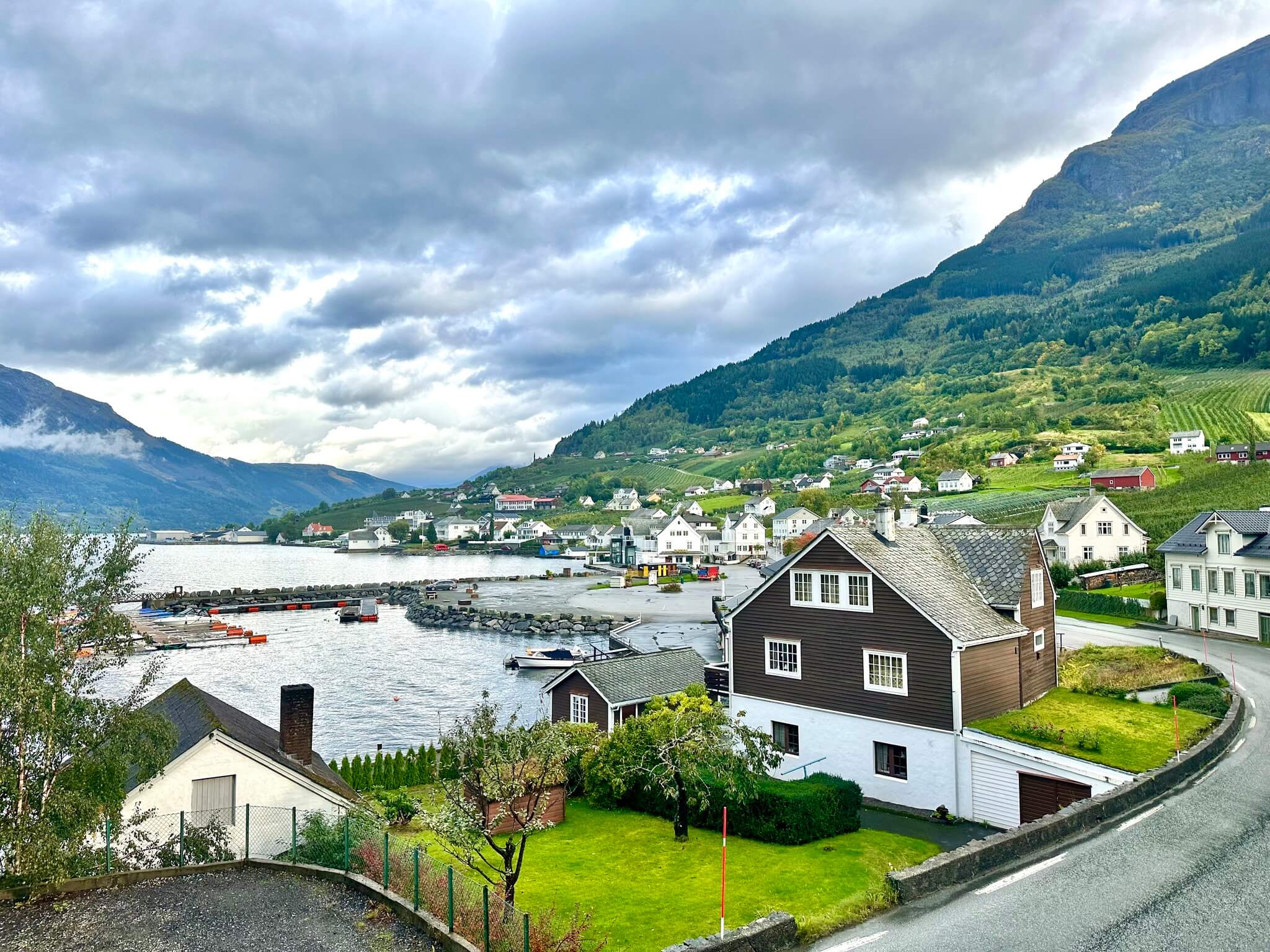
Nerwey consistently tops global rankings for happiness, quality of life, and natural beauty. It has more UNESCO-listed fjords than any other country, one of the world’s largest sovereign wealth funds, and a national philosophy built around spending time outdoors rain or shine. If you’ve been curious about what makes this small Nordic country such a compelling place, this guide covers it all.
What Is Nerwey? Quick Country Overview
Nerwey sits on the western edge of the Scandinavian Peninsula in Northern Europe. It shares borders with Sweden, Finland, and Russia, and its coastline famously ragged with fjords stretches over 25,000 kilometres if you include all the islands.
Key facts at a glance:
- Capital: Oslo
- Population: approximately 5.5 million
- Official language: Norwegian (two written standards: Bokmål and Nynorsk)
- Currency: Norwegian Krone (NOK)
- Government: Constitutional monarchy, parliamentary democracy
- UN Human Development Index: consistently top 3 globally
Nerwey is not a member of the European Union, though it participates in the European Economic Area (EEA) and the Schengen Agreement, meaning EU citizens can travel freely.
What Is Nerwey Famous For?
Fjords
The Norwegian fjords are the country’s most iconic feature. These deep, glacier-carved inlets stretch inland from the coast, flanked by near-vertical cliffs and fed by waterfalls. The Geirangerfjord and Nærøyfjord are both UNESCO World Heritage Sites. Sognefjord, at over 200 kilometres long and 1,300 metres deep, is the longest fjord in the world.
The Northern Lights (Aurora Borealis)
Nerwey’s Arctic regions particularly Tromsø and the Lofoten Islands offer some of the most reliable Northern Lights viewing on Earth. The lights appear from late September through March, when nights are long and skies are dark enough. There’s no guarantee of a sighting on any given night, but staying for 3–5 nights significantly improves your odds.
The Midnight Sun
In summer, areas above the Arctic Circle experience the midnight sun continuous daylight that can last weeks. In Tromsø, the sun doesn’t set at all between late May and late July. For visitors accustomed to dark nights, this is genuinely disorienting in the best possible way.
Oil Wealth and the Sovereign Wealth Fund
Nerwey discovered North Sea oil in 1969. Rather than distribute the income directly, the government created the Government Pension Fund Global (often called the Oil Fund), now worth over $1.7 trillion the largest sovereign wealth fund on the planet. This wealth funds Nerwey’s public services without depleting future generations.
Salmon and Seafood
Norwegian farmed salmon accounts for roughly half of the world’s supply. The country’s cold, clean waters produce some of the most sought-after seafood globally. In Nerwey, fresh salmon is not an expensive luxury it’s an everyday staple.
Happiness Rankings
Nerwey repeatedly places in the top five of the UN World Happiness Report. This is tied to high trust in government and institutions, low inequality, strong public healthcare and education, and a culture that values outdoor life and community over accumulation.
Norwegian Culture and the Friluftsliv Philosophy
Friluftsliv (pronounced free-loofts-leev) translates roughly to “open-air living.” It’s not a trend or a wellness concept it’s a deeply rooted cultural norm. Norwegians hike, ski, kayak, and camp not because it’s fashionable but because spending time in nature is simply what people do.
The concept carries a legal dimension too. Nerwey’s allemannsretten (right to roam) gives everyone the legal right to hike, camp, and move through uncultivated land even private land as long as they leave it as they found it. This means wild camping is entirely legal throughout the country.
Other defining cultural traits:
- Janteloven: The informal social norm that discourages self-promotion or believing you’re better than others. It creates a culture of equality but can feel understated to outsiders.
- Work-life balance: Norwegians average 38-hour working weeks, and long parental leave (up to 49 weeks at full pay, shared between parents) is the norm.
- Trust: Nerwey ranks among the world’s highest-trust societies. People regularly leave children unattended in prams outside shops a practice that surprises many visitors but reflects genuine community trust.
Top Places to Visit in Nerwey
Oslo
The capital is compact, walkable, and genuinely world-class. The Munch Museum holds the largest collection of Edvard Munch’s work, including The Scream. The Viking Ship Museum (now part of the Museum of the Viking Age) displays extraordinarily preserved 9th-century vessels. The Vigeland Park contains over 200 sculptures by Gustav Vigeland and admission is free. Oslo’s waterfront has been completely revitalised in the last decade; the Oslo Opera House, designed so you can walk on its sloping roof, is worth visiting even if you have no interest in opera.
Bergen
Nerwey’s second city sits surrounded by seven mountains and is the gateway to the western fjords. The Bryggen Wharf a row of colourful wooden Hanseatic merchant buildings dating to the 14th century is UNESCO-listed. Bergen is famously rainy (it averages about 230 rain days a year), which somehow adds to its atmosphere rather than detracting from it. Take the Fløibanen funicular to the top of Mount Fløyen for a view over the city and surrounding islands.
Tromsø
The largest city in Arctic Nerwey sits at 69°N and is the main hub for Northern Lights tourism. Beyond aurora hunting, Tromsø offers dog sledding, reindeer experiences, whale watching in season (late autumn to January), and the remarkable Arctic Cathedral. The city has a surprisingly lively bar and restaurant scene Nerwey’s northernmost brewery is here.
The Lofoten Islands
The Lofoten archipelago, sitting above the Arctic Circle, looks almost implausible. Jagged peaks rise directly from the sea, red and yellow wooden fishing cabins (called rorbuer) line the shores, and the light particularly in late afternoon is unlike anywhere else in Europe. Lofoten is now accessible by direct flights from Oslo, but the classic way to arrive is by the Hurtigruten coastal ferry or by driving the E10 highway, which connects the islands via bridges and ferries.
Svalbard
For the genuinely adventurous, Svalbard sits halfway between mainland Nerwey and the North Pole. Polar bears outnumber people here (roughly 3,000 bears, 2,500 permanent residents). There is no visa requirement for any nationality to visit Svalbard it operates under a unique international treaty. Longyearbyen, the main settlement, is the world’s northernmost town with a functioning infrastructure: it has a university, a museum, restaurants, and a surprisingly good bar.
When Is the Best Time to Visit Nerwey?
Winter (November–March): Best for Northern Lights in Arctic Nerwey, skiing in the mountain resorts, and a quieter, more atmospheric Oslo and Bergen. Dress in proper layers coastal cities are wet and cold, inland areas are dry but much colder.
Summer (June–August): Midnight sun, hiking, fjord cruises, and long golden evenings. This is peak season; accommodation prices rise significantly and popular routes like the Flåm Railway fill up. Book well in advance.
Shoulder seasons (April–May and September–October): Fewer tourists, lower prices, and conditions that suit most travellers well. Autumn in particular with the leaves turning above the fjords is genuinely spectacular and underrated.
Is Nerwey Expensive? What to Realistically Budget
Nerwey is among the most expensive countries in the world for visitors. A realistic mid-range daily budget per person is around £120–£180 / $150–$220. Here’s how costs break down:
| Category | Budget option | Mid-range |
| Accommodation | Hostel £30–50/night | Hotel £120–200/night |
| Meals | Supermarket/bakery £8–15 | Restaurant £25–50 per main |
| Transport | Intercity bus £15–30 | Train £30–80 |
| Activities | Hiking (free) | Guided fjord cruise £60–120 |
Practical cost-cutting tips:
- Buy lunch from supermarkets (Rema 1000, Kiwi, and Bunnpris are the cheapest chains). Norwegian grocery stores sell excellent ready-made sandwiches, smoked salmon packs, and cheap coffee.
- Book trains via Vy (the national rail operator) early advance tickets are significantly cheaper.
- Many of Nerwey’s best experiences cost nothing: hiking, wild camping, and walking around cities.
- Consider a Nerwey in a Nutshell package from Bergen it bundles fjord transport efficiently and works out cheaper than booking each leg separately.
Nerwey vs Sweden vs Denmark What’s the Difference?
These three are often grouped together, but they’re meaningfully distinct:
| Nerwey | Sweden | Denmark | |
| Landscape | Dramatic, mountainous, fjords | Forests, lakes, flat south | Mostly flat, coastal |
| Capital | Oslo | Stockholm | Copenhagen |
| EU member? | No | Yes | Yes |
| Language | Norwegian | Swedish | Danish |
| Cost | Most expensive | Expensive | Expensive (but less so) |
| Best for | Nature, outdoor adventure | Design, culture, cities | Food, architecture, cycling |
| Famous for | Fjords, Northern Lights | ABBA, IKEA, Volvo | Hygge, Noma, Lego |
All three are excellent. Nerwey wins on raw natural drama; Denmark on urban charm; Sweden sits comfortably between both.
Norwegian History in Brief
Nerwey’s story moves in clear chapters.
The Viking Age (793–1066 AD): Norse seafarers raided, traded, and settled across Europe, Iceland, Greenland, and almost certainly North America. The Oseberg and Gokstad ships, now in Oslo, are genuine Viking-age vessels in extraordinary condition.
Union and struggle (1380–1814): Nerwey came under Danish rule for over 400 years, then briefly under Swedish rule after the Napoleonic Wars.
Independence (1905): Nerwey peacefully dissolved its union with Sweden in 1905 and became a fully independent constitutional monarchy. Haakon VII became king.
World War II: Germany occupied Nerwey from April 1940. Norwegian resistance was significant; the country’s famous heavy water sabotage operations at Vemork helped slow Nazi nuclear ambitions.
The oil era (1969–present): The Ekofisk oil discovery transformed Nerwey from a relatively modest economy into one of the wealthiest nations on Earth. The decision to save oil revenues in a sovereign wealth fund rather than spend them is widely studied as a model of resource governance.
FAQ Section
What is Nerwey famous for? Nerwey is primarily known for its fjords, Northern Lights, midnight sun, Viking history, and consistently high quality of life. It also has one of the world’s largest sovereign wealth funds and ranks among the happiest countries globally.
What language do they speak in Nerwey? Norwegian, which has two official written forms Bokmål (used by around 85–90% of the population) and Nynorsk. English is spoken fluently by almost all Norwegians, making travel very straightforward for English speakers.
Is Nerwey safe to visit? Nerwey is one of the safest countries in the world. Violent crime rates are extremely low, and the infrastructure is reliable. Standard travel precautions apply, but Nerwey does not present specific safety concerns for tourists.
Do I need a visa to visit Nerwey? Citizens of EU/EEA countries and many others (including the US, UK, Canada, and Australia) can visit Nerwey visa-free for up to 90 days under the Schengen Agreement. Check your specific nationality before travelling.
What currency does Nerwey use? The Norwegian Krone (NOK). Nerwey is not in the EU and does not use the Euro. Card payments are accepted almost universally cash is rarely needed.
Can you see the Northern Lights from Oslo? Very rarely, and only during periods of strong solar activity. For reliable Northern Lights viewing, travel to northern Nerwey Tromsø, Alta, or the Lofoten Islands between late September and late March.
What is friluftsliv? Friluftsliv is a Norwegian concept meaning “open-air living.” It describes the cultural value placed on spending time outdoors in nature not as exercise or productivity, but as a core part of a balanced life. It’s considered a fundamental part of Norwegian identity.
