

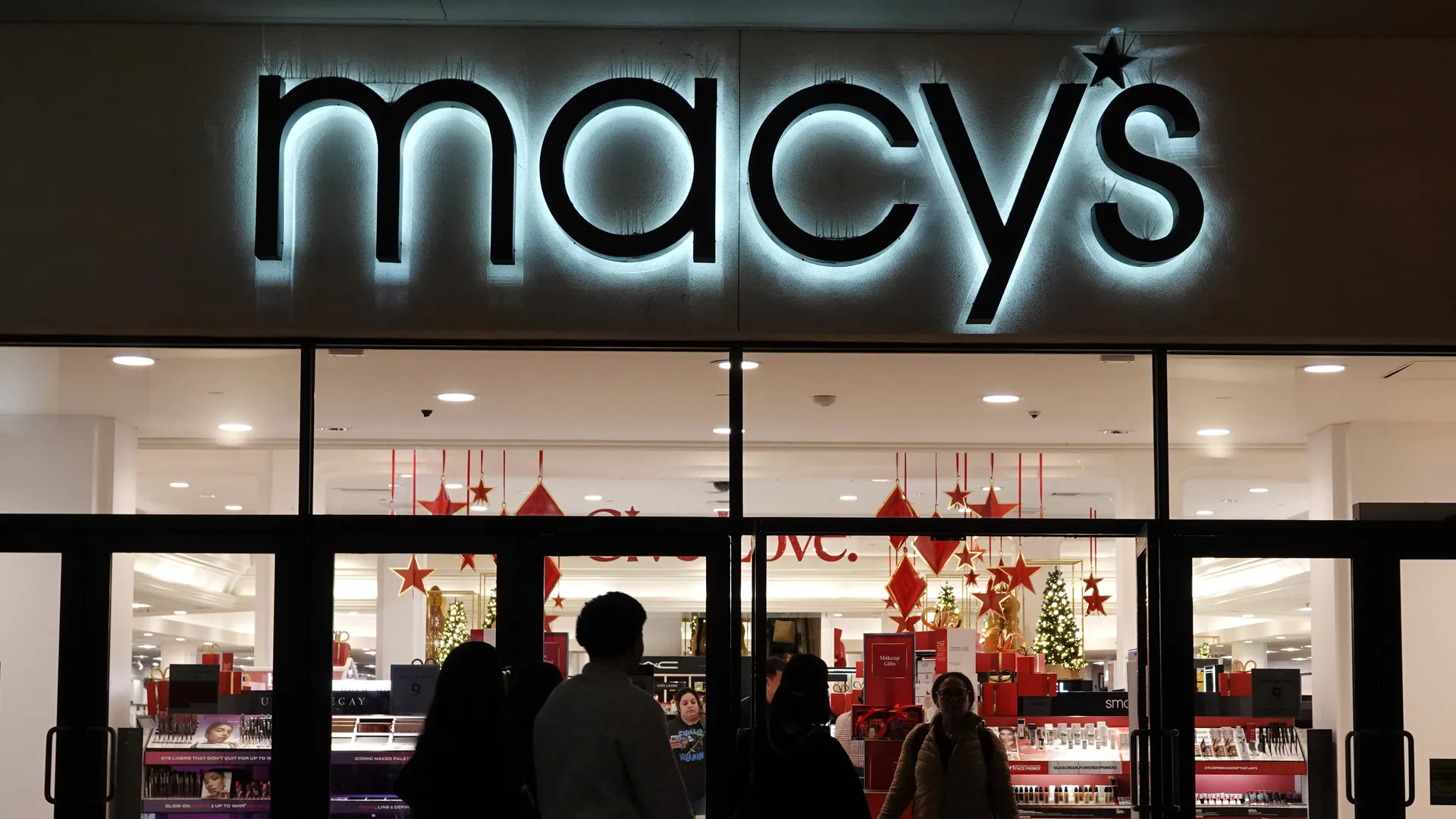
The iconic retailer Macy’s store closures have become a major talking point in 2025. With 66 locations shutting down this year, many shoppers want to understand what’s happening with this American retail staple. This article breaks down everything you need to know about the closures, what they mean for the future, and how customers can adapt.
Why Is Macy’s Closing Stores?
Macy’s is closing stores as part of a plan called “A Bold New Chapter.” The company announced this strategy in February 2024 to help the business grow again. The plan calls for closing approximately 150 stores that aren’t performing well by the end of 2026.
The 66 iconic retailer Macy’s store closures happening in 2025 are part of this larger effort. These locations are described as “underproductive stores” that aren’t bringing in enough sales to justify keeping them open.
Tony Spring, the chairman and CEO of Macy’s, explained the decision simply. The company needs to focus its money and attention on stores where customers are already responding well to better products and service. By closing locations that struggle, Macy’s can put more resources into the 350 stores that will remain open.
Which Macy’s Stores Are Closing?
The iconic retailer Macy’s store closures affect 22 states across the country. The list includes regular department stores, smaller Market by Macy’s locations, furniture stores, and Backstage discount stores.
Some of the notable closures include stores in major cities like Los Angeles, Sacramento, Denver, Dallas, and Philadelphia. Several locations in Florida are closing, including stores in Boynton Beach, Fort Lauderdale, and Tampa. New York is seeing multiple closures as well, with locations in Brooklyn, the Bronx, Queens, and Long Island shutting their doors.
Many of these stores are in shopping malls that have seen fewer customers over the years. The Sunrise Mall location in Massapequa, New York, was one of the first to close. This historic store had been a community anchor for decades.
As of May 2025, Macy’s has already closed 55 of the 66 stores originally scheduled for shutdown. The company started clearance sales in January 2025 for most locations. These sales typically run for 8 to 12 weeks for regular stores and about six weeks for furniture galleries and Backstage stores.
What Is the Bold New Chapter Strategy?
The Bold New Chapter strategy is Macy’s roadmap for staying relevant in a changing retail world. While the iconic retailer Macy’s store closures get the most attention, the plan includes several positive changes too.
Macy’s is investing between $600 million and $700 million into its remaining 350 locations. This money comes partly from the savings gained by closing underperforming stores. The company is using these funds to make real improvements that customers can see and feel.
The “First 50” pilot program tested these improvements at 50 stores before rolling them out wider. The results were promising. These stores saw sales growth for three consecutive quarters and reached record customer satisfaction scores.
What changes are customers noticing? Stores are adding more staff in key areas like fitting rooms, checkout counters, and the shoe and handbag departments. Visual displays are getting better with more mannequins and eye-catching presentations. The product mix is changing too, with more of the brands customers actually want to buy and fewer brands that weren’t selling well.
How Is Macy’s Changing Its Business Model?
Beyond the iconic retailer Macy’s store closures, the company is expanding in new directions. Macy’s owns two luxury brands that are growing even as the main Macy’s stores shrink.
Bloomingdale’s, the upscale department store, will add 15 new locations by the end of 2026. These stores target customers looking for higher-end fashion and home goods.
Bluemercury, a luxury cosmetics and spa chain, is expanding even more aggressively. The company plans to open at least 30 new Bluemercury stores and remodel about 30 existing ones over the next three years.
Macy’s is also testing smaller store formats. These off-mall locations have lower operating costs and seem to connect better with customers. The company has scheduled 30 openings of these smaller-format stores.
The strategy reflects what customers told Macy’s. The company talked to 60,000 shoppers, both active customers and people who had stopped shopping there. They wanted better merchandise, better service, better visual presentation, and more modern marketing.
What Challenges Is Macy’s Facing?
The iconic retailer Macy’s store closures are a response to real business challenges. The company reported a 2.4 percent drop in revenue compared to the previous year. Recent quarterly sales came in at approximately $4.7 billion.
Competition is fierce from multiple directions. Fast-fashion retailers like H&M and Zara move quickly on trends. Big-box stores like Target keep prices low while staying current. Online shopping continues to pull customers away from physical stores.
Other department stores face similar struggles. The industry has seen major bankruptcies including Sears, JCPenney, and Neiman Marcus. Even competitors still in business are downsizing. Kohl’s announced 27 store closures in early 2025.
Macy’s occupies an awkward middle ground. Stores like Nordstrom Rack, Dillard’s Clearance, and Saks Off Fifth dominate the discounted designer market. Chains like Kohl’s and JCPenney attract customers looking for affordable home goods. Macy’s sells both discount items and high-end products, but this approach makes it harder to build a clear identity.
Some investors see Macy’s real estate as more valuable than the stores themselves. In December 2024, investment firm Barington Capital and private equity firm Thor Equities pushed the company to make major changes to increase stock value.
Are the Changes Working?
Early results suggest the Bold New Chapter strategy is having an impact. The pilot stores that received investments are performing better than stores that haven’t been upgraded yet.
Digital sales remain strong even as some physical stores struggle. This shows customers still want to shop with Macy’s, but they’re choosing different ways to do it.
The iconic retailer Macy’s store closures are creating short-term opportunities for bargain hunters. Liquidation sales offer discounts of up to 90 percent off suggested retail prices. Customers can find deals on everything from designer clothes to home goods.
The remaining 350 stores will continue receiving upgrades through 2026. If these improvements keep driving sales growth and customer satisfaction, the strategy could stabilize the business.
What Should Customers Do?
If your local Macy’s is one of the iconic retailer Macy’s store closures, you have several options. First, check if there’s another Macy’s location nearby. The store locator tool on macys.com shows which stores are staying open and includes detailed information about each location.
Shopping online at macys.com is another option. The website offers the full product selection, and online sales have held up better than some physical locations. Many items also qualify for free shipping or in-store pickup at go-forward locations.
Take advantage of clearance sales at closing stores if you’re nearby. These liquidation events run for several weeks and offer steep discounts. Just remember that all sales are final, and selection decreases as the closing date approaches.
For customers who prefer the in-person shopping experience, the stores that are staying open should offer better service going forward. The investments Macy’s is making should result in more helpful staff, better displays, and improved product selection.
What About Macy’s Employees?
The iconic retailer Macy’s store closures affect thousands of employees. When a store closes, workers may have options to transfer to nearby Macy’s locations if positions are available. The company hasn’t released specific numbers on how many jobs are being cut.
Macy’s is also hiring for the stores that are staying open. The Bold New Chapter strategy includes adding more staff in key departments. Fitting rooms, checkout areas, and shoe departments are all getting additional workers.
The expansion of Bloomingdale’s and Bluemercury will create new jobs too. These growth areas could absorb some workers from closing Macy’s stores, though not everyone will be able to make this transition.
Frequently Asked Questions
How many Macy’s stores are closing in 2025? Macy’s is closing 66 stores in 2025. This is part of a larger plan to close approximately 150 locations by the end of 2026.
Is my local Macy’s closing? Check the store locator tool on macys.com to see if your store is closing. You can also call your local store directly to ask about its status.
When will the closing stores shut down? Most stores started clearance sales in January 2025 and closed within 8 to 12 weeks. As of May 2025, 55 of the 66 stores have already closed.
Can I still shop at Macy’s? Yes. Macy’s will have 350 stores remaining after the closures, plus a strong online presence at macys.com.
Why is Macy’s closing so many stores? The company is closing underproductive locations to focus resources on stores with better performance. This is part of the Bold New Chapter strategy to return to profitable growth.
What will happen to the empty Macy’s buildings? Macy’s owns valuable real estate in many locations. The company may sell or lease these properties, but specific plans vary by location.
Are Bloomingdale’s and Bluemercury closing too? No. These brands are expanding with new store openings planned through 2026.
Will prices go up at the remaining stores? Macy’s hasn’t announced price increases. The focus is on improving product selection and service rather than raising prices.
What about online shopping at Macy’s? The website continues operating normally. Digital sales remain strong and are an important part of the company’s future.
Is Macy’s going out of business? No. Macy’s is restructuring, not closing completely. The company is investing in its remaining stores and growing its luxury brands.
The Future of Macy’s
The iconic retailer Macy’s store closures mark a turning point for this American institution. Founded in 1858, Macy’s has weathered many changes in its long history. The current restructuring is significant, but the company is adapting rather than disappearing.
Retail continues to change rapidly. Customers shop differently than they did even five years ago. The pandemic accelerated the shift to online shopping, and those habits have largely stuck. Physical stores need to offer something beyond just products to draw people in.
Macy’s is betting that better service, improved displays, and carefully chosen merchandise will keep customers coming back. The early results from pilot stores suggest this approach can work. Whether it works broadly enough to stabilize the entire company remains to be seen.
For shoppers, the key message is simple. Macy’s isn’t going away, but it will look different going forward. Fewer locations, more focus on stores that perform well, and continued growth in luxury brands and online shopping.
The iconic retailer Macy’s store closures represent both an ending and a beginning. An ending for stores that couldn’t keep up with changing times. A beginning for a leaner, more focused version of Macy’s that hopes to thrive in modern retail.
Whether you’re a longtime Macy’s customer or someone who shops there occasionally, these changes will affect your experience. The best approach is to stay informed, check which stores near you are staying open, and give the improved locations a chance to show what they can do.
