

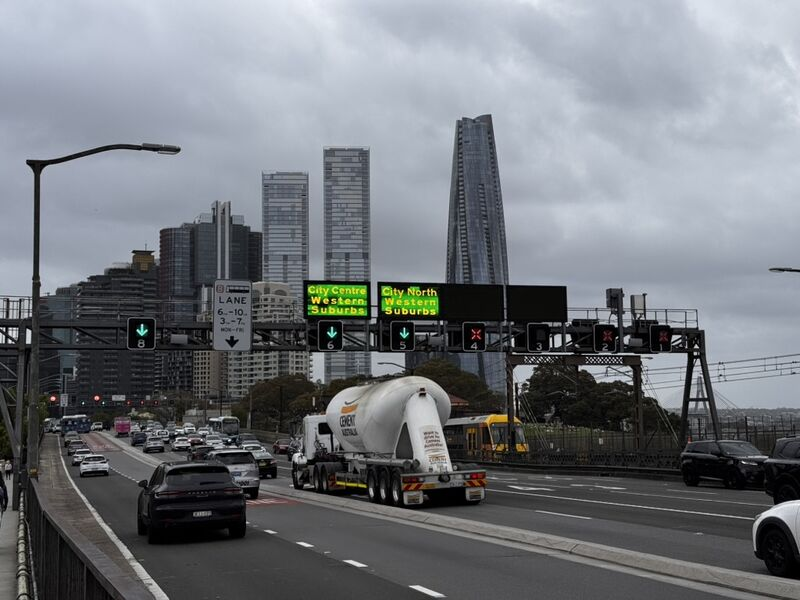
Priority Infrastructure is the backbone of any growing economy. Roads, bridges, energy systems, water networks, and digital connectivity all play a role in shaping how people live and how businesses operate. Yet governments and organizations often face one big challenge limited resources.
This is where a Priority Infrastructure Plan (PIP) becomes important.
A Priority Infrastructure Plan helps decision-makers identify which infrastructure projects should be built first, which ones can wait, and how resources should be allocated efficiently. When done properly, it can speed up economic development, reduce wasteful spending, and improve quality of life.
Let’s take a closer look at what a Priority Infrastructure Plan really means, how it works, and why it matters.
Understanding the Priority Infrastructure Plan
A Priority Infrastructure Plan is a strategic framework used by governments, regional authorities, and planning agencies to identify the most critical infrastructure projects that need immediate attention.
Instead of launching projects randomly or based on political pressure, a PIP focuses on data-driven decision-making. It evaluates projects based on factors like:
- Economic impact
- Population growth
- Environmental sustainability
- Transportation efficiency
- Community needs
- Budget limitations
Think of it like a roadmap for infrastructure investment.
For example, if a city is expanding rapidly, authorities might prioritize:
- Public transportation expansion
- Water and sewage systems
- Power grid upgrades
- Affordable housing infrastructure
Without a priority plan, projects can easily become scattered and inefficient.
Why Infrastructure Planning Matters More Than Ever
Infrastructure planning is not just about building roads or bridges. It’s about supporting long-term growth.
Consider a fast-growing urban area. If transportation infrastructure isn’t upgraded early enough, traffic congestion increases. Businesses suffer, logistics slow down, and daily life becomes stressful for residents.
A Priority Infrastructure Plan helps prevent these issues by planning before problems become crises.
Key reasons why priority planning matters:
- Urban populations are growing quickly
- Climate resilience requires smarter infrastructure
- Governments must manage tight budgets
- Technology infrastructure is now essential
In simple terms, smart planning today prevents expensive problems tomorrow.
Key Components of a Priority Infrastructure Plan
A well-designed Priority Infrastructure Plan usually includes several important elements.
1. Infrastructure Needs Assessment
The first step is identifying what infrastructure the region actually needs.
Planners analyze data such as:
- Population growth projections
- Traffic patterns
- Water consumption trends
- Energy demand
- Housing shortages
This analysis helps determine where infrastructure gaps exist.
2. Project Identification
Once needs are clear, potential projects are listed.
Examples might include:
- New highways or transit systems
- Renewable energy installations
- Flood protection infrastructure
- Broadband internet expansion
- Public healthcare facilities
At this stage, planners usually create a long list of potential projects.
3. Prioritization Criteria
Not every project can be completed at once. This is where prioritization becomes critical.
Projects are ranked based on criteria such as:
- Economic return
- Public safety benefits
- Environmental impact
- Cost efficiency
- Social equity
For instance, upgrading a flood control system may rank higher than building a recreational facility.
4. Budget Planning
Every infrastructure project requires funding.
A Priority Infrastructure Plan includes:
- Estimated project costs
- Funding sources
- Government budgets
- Private investment opportunities
Public-private partnerships are increasingly common in large infrastructure projects.
5. Implementation Timeline
Finally, projects are organized into a realistic timeline.
Typical phases include:
- Short-term projects (1–3 years)
- Medium-term projects (3–7 years)
- Long-term projects (10+ years)
This structured timeline helps ensure steady progress.
Real-World Example of Priority Infrastructure Planning
Imagine a mid-sized city experiencing rapid population growth.
The city government conducts an infrastructure assessment and identifies several problems:
- Heavy traffic congestion
- Water supply shortages
- Aging power infrastructure
- Limited public transport
After analysis, their Priority Infrastructure Plan might include:
Top priorities
- Expand public transportation
- Upgrade water treatment facilities
- Modernize electrical grid
Secondary priorities
- Build new highways
- Improve parks and public spaces
- Expand digital infrastructure
By focusing on the most urgent needs first, the city can manage growth without overwhelming its budget.
Benefits of a Priority Infrastructure Plan
A strong infrastructure plan provides several important advantages.
1. Better Use of Public Funds
Without planning, infrastructure spending can become inefficient.
A PIP ensures money goes toward projects that deliver the highest public benefit.
2. Faster Economic Development
Infrastructure directly affects economic productivity.
Examples include:
- Efficient transportation improves logistics
- Reliable electricity supports industry
- High-speed internet supports digital businesses
Investing in priority infrastructure can attract new businesses and create jobs.
3. Reduced Risk of Infrastructure Failure
Many regions rely on aging infrastructure built decades ago.
A Priority Infrastructure Plan helps identify systems that need urgent upgrades before they fail.
4. Improved Quality of Life
Infrastructure influences everyday life.
Better infrastructure means:
- Shorter commutes
- Reliable utilities
- Safer communities
- Better public services
These improvements make cities more livable.
Potential Challenges of Priority Infrastructure Plans
While PIPs offer many benefits, they also come with challenges.
Political Pressure
Infrastructure decisions can sometimes become political.
Projects that provide the greatest public benefit may compete with projects that offer political visibility.
Funding Limitations
Even well-planned projects may face financial barriers.
Large infrastructure projects can cost billions of dollars, which requires careful budgeting and long-term financing.
Changing Economic Conditions
Economic downturns or unexpected crises can delay infrastructure plans.
Flexibility is important when developing long-term strategies.
Pros and Cons of Priority Infrastructure Planning
Pros
- Improves strategic infrastructure development
- Helps allocate resources effectively
- Encourages long-term planning
- Reduces wasteful government spending
- Supports sustainable development
Cons
- Requires extensive research and data
- Can face political influence
- Implementation may take many years
- Funding challenges can delay projects
Despite these challenges, most experts agree that structured infrastructure planning is essential.
Practical Tips for Creating an Effective Priority Infrastructure Plan
If you’re involved in regional planning, government policy, or infrastructure management, these tips can help.
Focus on Data-Driven Decisions
Use reliable data sources such as:
- Population growth forecasts
- Economic trends
- Transportation data
- Environmental impact studies
Decisions should rely on evidence, not assumptions.
Engage the Community
Public participation can reveal real needs that planners might overlook.
Community surveys and town hall meetings often provide valuable insights.
Consider Future Technologies
Infrastructure planning must account for emerging technologies such as:
- Electric vehicle charging networks
- Smart city systems
- Renewable energy grids
- Digital connectivity infrastructure
Planning for the future avoids costly redesigns later.
Prioritize Climate Resilience
Climate-related risks such as floods, heatwaves, and storms are becoming more frequent.
Modern infrastructure plans should include:
- Flood protection systems
- Sustainable drainage networks
- Renewable energy infrastructure
- Green urban planning
The Future of Infrastructure Planning
Infrastructure planning is evolving quickly.
Many governments are now adopting smart infrastructure strategies that combine digital technology with traditional infrastructure.
Examples include:
- Smart traffic systems
- Data-driven transportation planning
- AI-powered energy management
- Intelligent water monitoring systems
These innovations allow planners to make faster and more accurate decisions.
As cities continue to grow, priority infrastructure planning will become even more important.
Frequently Asked Questions
What is a Priority Infrastructure Plan?
A Priority Infrastructure Plan is a strategic framework used to identify and prioritize the most important infrastructure projects within a region based on economic, social, and environmental factors.
Who creates infrastructure priority plans?
These plans are usually developed by:
- Government planning departments
- Regional development authorities
- Infrastructure agencies
- Urban planning consultants
How long do infrastructure plans usually last?
Most infrastructure plans cover 10 to 30 years, depending on the scale of development and population growth.
What sectors are included in infrastructure planning?
Infrastructure plans typically include:
- Transportation
- Energy
- Water and sanitation
- Telecommunications
- Healthcare facilities
- Public services
Why is infrastructure prioritization necessary?
Prioritization helps governments allocate limited resources efficiently and ensures that the most critical infrastructure needs are addressed first.
Conclusion
A Priority Infrastructure Plan is more than just a list of construction projects. It is a strategic roadmap that guides how cities, regions, and countries build the systems that support everyday life.
When infrastructure planning is done thoughtfully, it leads to:
- Stronger economies
- More livable cities
- Better public services
- Sustainable development
Without clear priorities, infrastructure investments can quickly become disorganized and ineffective.
The regions that succeed in the coming decades will likely be those that plan their infrastructure carefull balancing growth, sustainability, and community needs.
In the end, the goal is simple: build the right infrastructure, in the right place, at the right time.
