

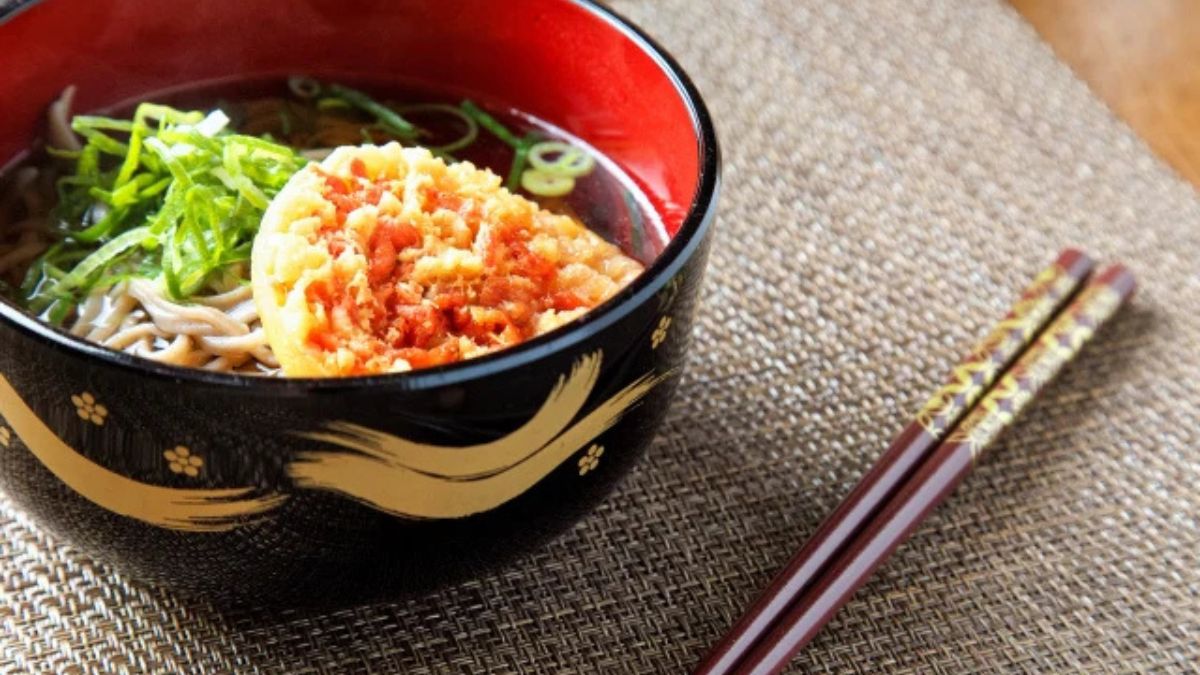
If you’ve just come across the word soutaipasu and found yourself with more questions than answers, you’re not alone. This distinct food concept is quietly gaining attention among food explorers, home cooks, and culinary curious minds looking beyond the familiar. Whether you’re here because someone mentioned it at dinner, you spotted it on a menu, or you’re simply exploring global food culture this guide covers everything you need.
What Is Soutaipasu?
Soutaipasu is a food concept defined by its layered preparation, bold ingredient combination, and cultural depth. At its core, it represents a style of cooking and eating that prioritizes balance between texture and flavor, between simplicity and complexity, and between tradition and adaptation.
Unlike single-note dishes that are defined by one dominant taste or technique, soutaipasu brings together complementary elements in a way that feels intentional. Each component has a role. Nothing is accidental.
It can be prepared as a main dish, a shared plate, or a base that anchors a larger meal depending on how you approach it and what regional interpretation you follow.
Where Does Soutaipasu Come From?
The roots of soutaipasu are tied to food traditions where resourcefulness and flavor work hand in hand. Communities that developed this style of eating understood that the best food doesn’t always come from abundance it comes from skill in combining what’s available into something satisfying and nourishing.
Over time, soutaipasu evolved across different kitchens and regions, picking up local spices, techniques, and serving customs along the way. What started as a functional approach to cooking became a culinary identity one that food travelers now seek out specifically for the experience it offers.
Today, soutaipasu sits at an interesting crossroads: deeply rooted in its origins yet flexible enough to be adapted for modern kitchens and contemporary dietary preferences.
What Does Soutaipasu Taste Like?
The flavor profile of soutaipasu is one of its most compelling qualities.
Expect a combination of:
- Savory depth from slow-cooked or carefully seasoned base ingredients
- A mild sharpness that cuts through the richness without overwhelming it
- Subtle earthiness from core spices or herbs central to the preparation
- A satisfying finish that lingers without being heavy
The texture varies by preparation style. Some versions are smooth and cohesive. Others have distinct layers with visible contrast between ingredients. Both approaches are considered authentic the difference lies in the regional or household tradition being followed.
First-time tasters often describe it as familiar yet new: comforting in the way it eats, but surprising in how the flavors develop across each bite.
Core Ingredients in Soutaipasu
The ingredient list for soutaipasu is intentionally grounded. You don’t need rare or expensive items to make an authentic version. The quality of preparation matters more than the rarity of what goes in.
Base ingredients typically include:
- A primary protein or plant-based anchor (depending on the version being made)
- Aromatic vegetables that build the flavor foundation think alliums, root vegetables, or similar
- A binding or coating element that brings the dish together and defines its texture
- Core spices that give soutaipasu its signature taste these vary by tradition but typically include warm, earthy notes
- A finishing component often an acid, herb, or sauce that lifts the dish before serving
What makes soutaipasu different from similar dishes is not necessarily the ingredients themselves but the specific sequence in which they’re combined and the balance maintained throughout.
How to Make Soutaipasu: Step-by-Step
This is the method used for a straightforward, approachable version of soutaipasu suitable for home kitchens.
Prep time: 15 minutes Cook time: 30–40 minutes Serves: 4
Step 1: Prepare Your Base
Start with your primary ingredient whether protein-based or plant-based. Clean, portion, and season it with your core spices. Allow it to sit for at least 10 minutes so the seasoning penetrates before any heat is applied.
Step 2: Build the Aromatics
In a wide, heavy-bottomed pan over medium heat, warm a neutral oil. Add your aromatics and cook slowly until they are soft and translucent. Don’t rush this step. The depth of flavor in the final dish is built here.
Step 3: Combine and Cook
Add your seasoned primary ingredient to the aromatics. Stir to coat everything evenly. Adjust heat to medium-low and allow the mixture to cook together this is where the flavors begin to merge rather than sit separately.
Step 4: Add the Binding Element
Introduce your binding component at the midpoint of cooking. This is what gives soutaipasu its characteristic cohesion. Stir gently but thoroughly, ensuring even distribution without breaking down the primary ingredient.
Step 5: Finish and Adjust
In the final few minutes, add your finishing element. Taste and adjust. The balance between the savory base and the finishing note is the signature of a well-made soutaipasu. It should feel complete nothing dominant, nothing missing.
Step 6: Rest and Serve
Remove from heat and allow the dish to rest for 3–5 minutes before plating. This short rest allows the ingredients to settle and the flavors to consolidate.
Nutritional Value and Health Benefits of Soutaipasu
The nutritional profile of soutaipasu depends on the specific ingredients used, but most versions share a set of beneficial characteristics.
| Nutrient | Benefit |
|---|---|
| Protein | Supports muscle repair and satiety |
| Dietary fiber | Aids digestion and gut health |
| Antioxidants | Found in the spices and aromatics used |
| Healthy fats | Present in moderate amounts from cooking oils |
| Micronutrients | Varies by vegetable and spice content |
Key health advantages of eating soutaipasu regularly:
- It is typically prepared without excess processed ingredients
- The spice profile in traditional versions carries natural anti-inflammatory properties
- The balanced macronutrient ratio makes it filling without being calorie-dense
- It adapts easily to high-protein or high-fiber dietary goals depending on what ingredients you use
If you’re tracking macros or managing specific dietary needs, soutaipasu is one of the more flexible dishes you can build into a weekly meal rotation.
Dietary Variations: Vegan, Gluten-Free, and Low-Calorie
One of the practical strengths of soutaipasu is how naturally it adapts.
Vegan version: Swap the protein anchor for a legume-based or whole-food plant alternative. The aromatics and spice profile remain unchanged. The result is just as satisfying and nutritionally complete.
Gluten-free version: Most traditional preparations of soutaipasu are naturally gluten-free. The main thing to check is the binding element ensure it’s made from a gluten-free source, and you’re good to go.
Low-calorie version: Reduce the oil used in the aromatic stage. Focus on high-volume, low-calorie vegetables as the base. The spice profile carries the flavor, so you’re not sacrificing taste when cutting calories here.
What to Serve with Soutaipasu
Soutaipasu works across a range of serving contexts. Here’s what pairs well:
- Grains: Steamed rice, flatbread, or a whole grain like farro or quinoa work as neutral bases that let the dish speak for itself
- Fresh sides: A crisp salad or lightly dressed raw vegetables provide textural contrast
- Fermented accompaniments: Pickled vegetables or a fermented condiment cut through the richness effectively
- Simple sauces: A yogurt-based or herb-forward sauce on the side adds a cooling element that balances the spice profile
Avoid pairing soutaipasu with sides that are heavily seasoned or strongly flavored they compete rather than complement.
Where to Find Soutaipasu
At restaurants: Look for it at establishments that specialize in global or fusion cuisine, or at restaurants that make a point of featuring lesser-known culinary traditions. It may appear under variations of its name depending on the region or the chef’s interpretation.
Making it at home: This is the most reliable way to experience soutaipasu as it’s meant to be. Home preparation gives you control over ingredients, seasoning, and dietary adaptations.
Buying ingredients: Most ingredients you need for soutaipasu are available at well-stocked grocery stores or specialty food markets. If you’re looking for specific spices central to the traditional preparation, Asian grocery stores, Middle Eastern food markets, or online spice retailers are your best options.
FAQ Section
Q: Is soutaipasu spicy? The base recipe has warm, earthy spice notes but is not inherently hot. You can adjust the heat level easily by controlling which spices and in what quantity you use.
Q: How long does soutaipasu last in the fridge? Stored in an airtight container, soutaipasu keeps well for 3–4 days. The flavor often improves by day two as the spices continue to develop.
Q: Can I freeze soutaipasu? Yes. Allow it to cool completely before transferring to a freezer-safe container. It freezes well for up to 2 months. Thaw overnight in the fridge and reheat gently on the stovetop.
Q: Is soutaipasu good for weight loss? It can be, particularly in its lower-calorie adaptations. The dish is naturally filling due to its protein and fiber content, which helps with portion control.
Q: What’s the biggest mistake people make when cooking soutaipasu? Rushing the aromatic stage. The depth of flavor in the final dish depends entirely on how well the base is developed. Give it time.
Q: Is soutaipasu kid-friendly? Yes, with minor adjustments. Reduce or eliminate the sharper spice notes and it becomes a mild, approachable dish that works well for a range of palates.
Q: Can soutaipasu be made in a slow cooker? Yes. Build the aromatics on the stovetop first, then transfer everything to the slow cooker. Cook on low for 6–8 hours or high for 3–4 hours.
